
施坦威钢琴榔头溯源及整音侧记(二)
ChenYN Piano Tuner
1924 年 11 月,美国芝加哥毛毡厂JG Childs 在钢琴调音师协会芝加哥分会上发表了关于毛毡和锤子制作的演讲。1925 年 1 月《调音师杂志》摘要如下:(原英文版有删节)
https://www.steinway.com/spirio
……美国制造的毛毡在 1873 年的维也纳博览会上获得了一等奖后,在 1878 年又获得了巴黎大奖。随着知名度的提高,它被普遍接受,因为钢琴制造商意识到这个国家生产的毛毡是世界上无与伦比的。
……他阐述了从选择羊毛、制作毛毡到最终成为榔头的所有步骤和细节;首先,羊毛来自世界各地,但是所有羊毛中,只有 5% 到 10% 的羊毛可用于制造锤毡 “仅限奶油色”因为锤毡需要长纤维、坚固、健康的原料,而其他原料都不行。
……健康的羊毛是一种动物纤维,其质量不仅取决于繁殖,还取决于动物的状况。如果绵羊在羊毛生长期间生病,或者发生严重干旱,这自然会干扰羊毛在生长期间的生长。其次羊毛必须有弹性和直径,因为太粗的羊毛无法制成所需的细锤毡,也不能使用太细的羊毛,因为它很容易被钢琴的琴弦切断。
……接下来,用温水和优质的肥皂彻底清洗这些精选的羊毛以去除所有油脂、沙子和污垢,然后进行手工挑选,以去除毛刺和焦油斑点,这样成品就会洁白干净。然后开始梳理纤维,以便它们可以与毛毡一起铺放。梳理和混合过程通过梳棉机进一步进行,这实际上是一个多次梳理的过程。在此过程中,可以很容易地看到低音端变得更厚,并且逐渐变细为薄的高音。
……此时这种毡子通过热量和水分帮助下的振动运动,羊毛纤维相互交织,并将这种柔软、蓬松的毡子硬化成一块坚固的锤毛毡。这实际上是一个收缩过程—整个过程要持续半天以上。然后必须注意高音端压平以消除任何严重的皱纹,打磨,修剪成均匀的尺寸,检查,然后就可以送去店里。
……波士顿钢琴供应公司接到订单后,将成品送到切割台,在那里手工将其从低音到高音切成长条,然后再次检查。目标是提供一款几乎不需要调节音调的锤子,修剪锤子毛毡的粗糙边缘。修剪掉边缘的毛毡量要经过仔细测量,以尽量在锤子的每一侧留下相同数量的毛毡,从而保持适当的平衡。之后,将整个条带打磨掉,并将锤子切开。
……通过这些工序,毛毡在磨机中的开始阶段,哪怕是最细微的改变,都会对音调调节器手中的成品琴槌产生影响。羊毛本身的特性决定了它很难达到某些人所要求的绝对精确的触感,因此,人们提出了许多关于音调调节的问题……当然,你们必须用针刺锤子——你把针刺进锤子里,你肯定会切断一些纤维……从而放松张力在很大程度上延长锤子的寿命……
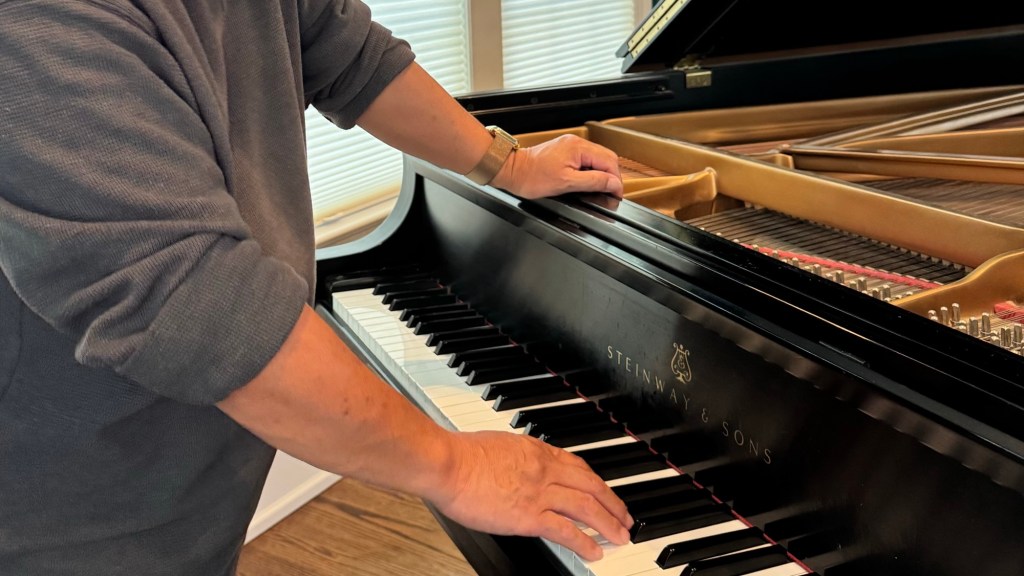
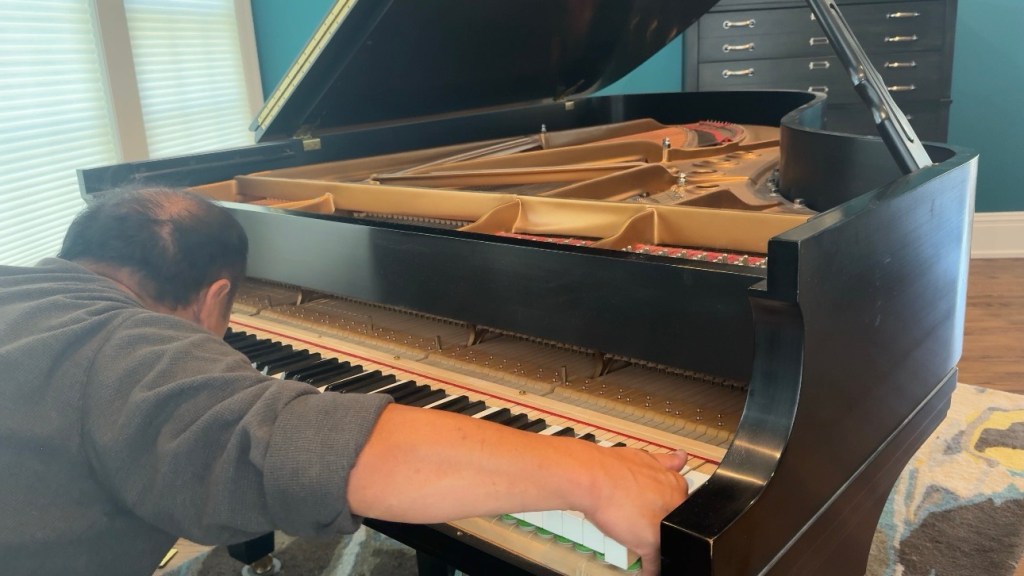
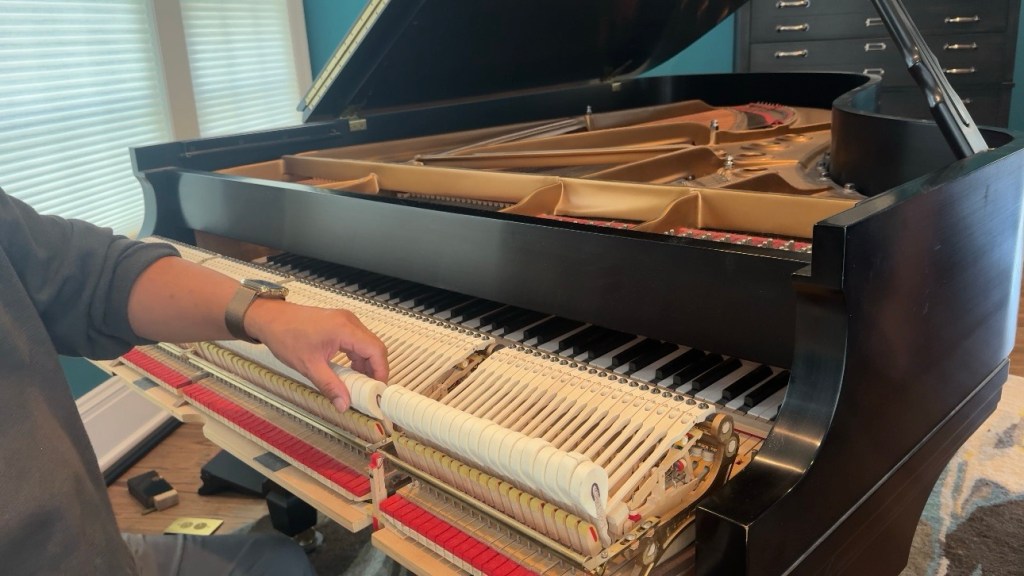
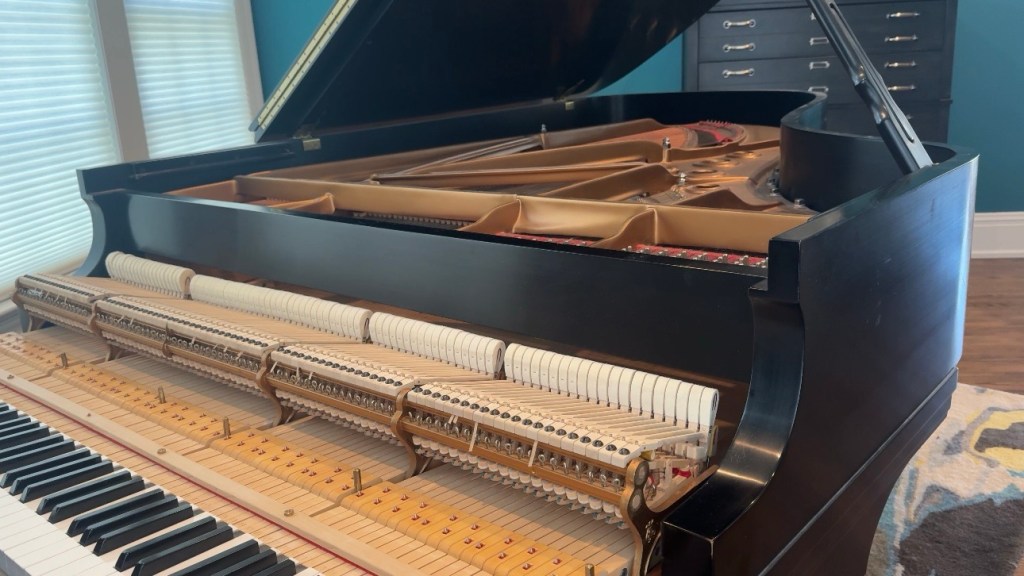
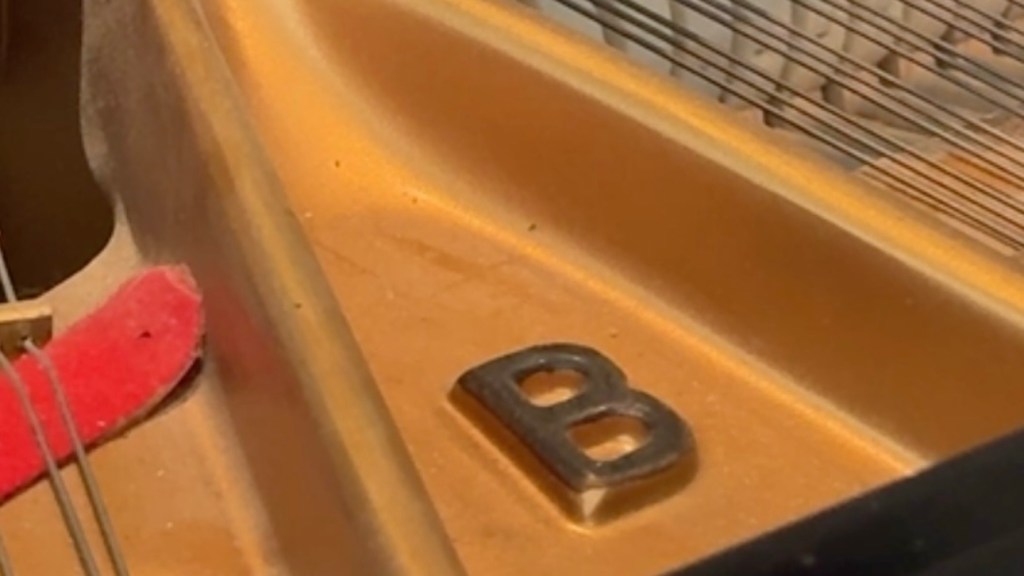
岁月来到了2024年9月的一天,在纽约长岛的Massapequa 我遇到了一台施坦威 B及全新更换的榔头。主人花费了大约九千美金,然而却抱怨音色没有预期的效果且杂音和噪声与品牌不匹配等……通过我的检查和评估得出需要调整音律为442赫兹以及对榔头进行整音的操作程序。
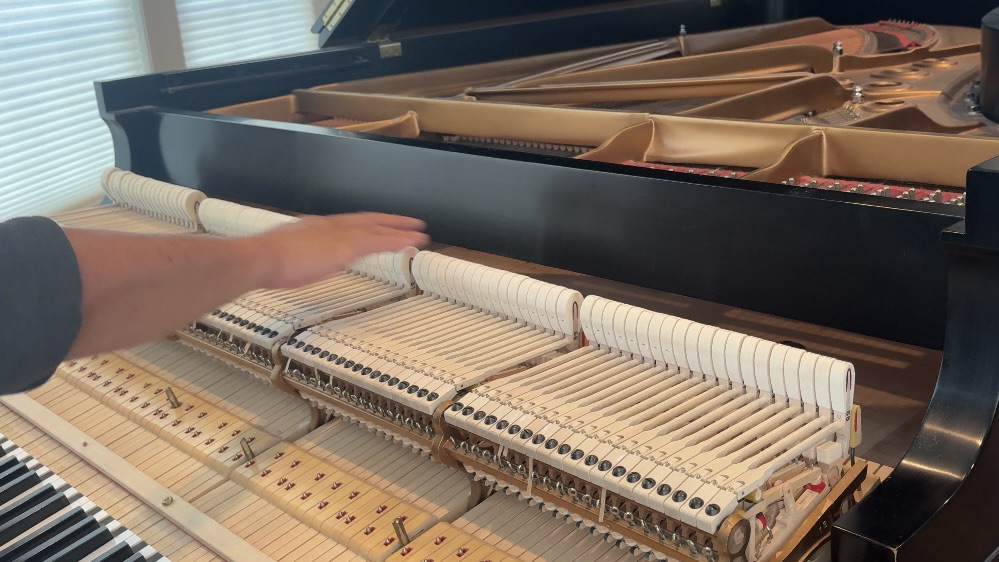
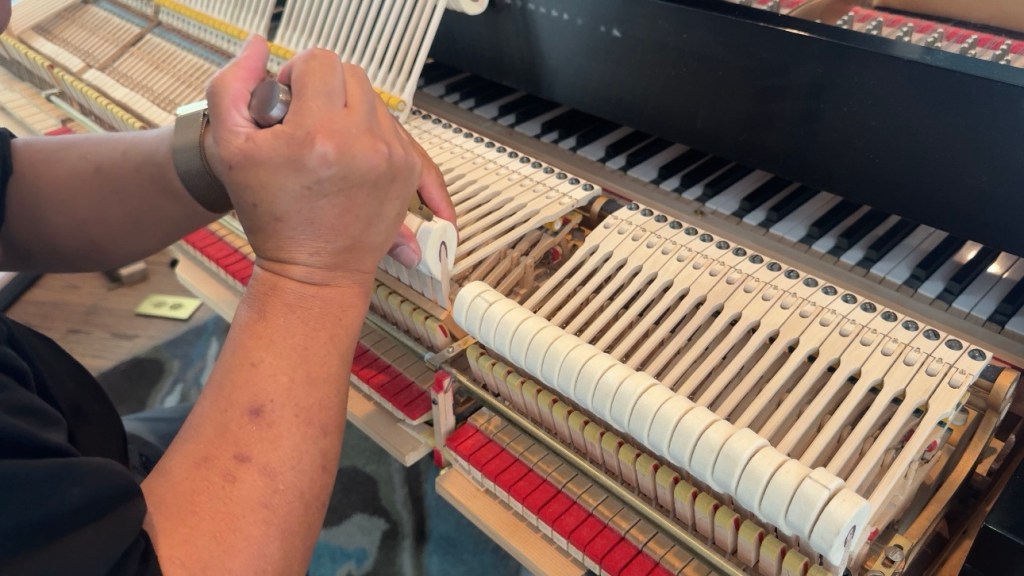
首先确认目标就是在保留能量的同时消除杂音和噪声,最大极限的涉及针刺位置——深针刺,寻找最小限度的针刺数——则必须在打击点上针刺……使用定音静音楔和强奏测试来确定哪些弦的音是嘈杂的。通过多年纽约施坦威钢琴的调音及整音经验我认为,对一套新弦槌进行整音,有多种途径使其符合钢琴和客户所需。太软的弦槌使用硬化措施;过硬的弦槌则通过针刺或其他处理方法。我提倡使用侧向针刺的方法安全可靠且侧向针刺不限次数、不会损坏弦槌而且完全可逆。
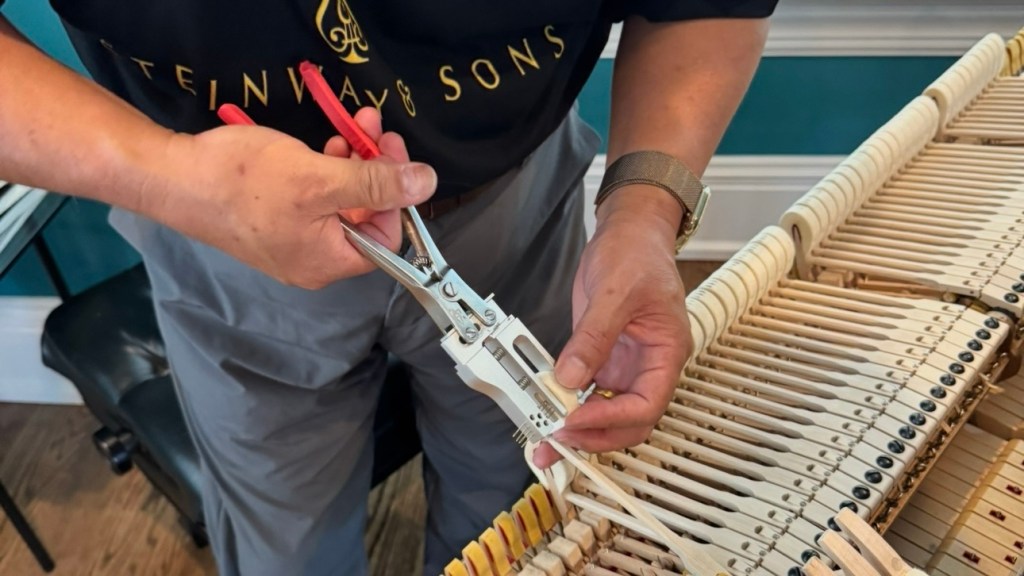
之所以说侧向针刺的方法安全,是因为制造弦槌时羊毛毡是成层的,针刺只是在层与层之间创造更多“空间”,而这正是弦槌收缩的方向。有些制造商用的槌子很软,什么音色都没有;而有些榔头则非常硬羊毛毡太密实,非得扎它几百针才能用(据说有人一个音要扎1500下)。为了弥补弦槌制造和设计上及与钢琴不匹配而适度使用任一种工艺,都可以达到理想的音色,我个人的平均整音时间是1/2小时。我整音的原则是:“为了音色,无所不用”。
2024年9月于纽约
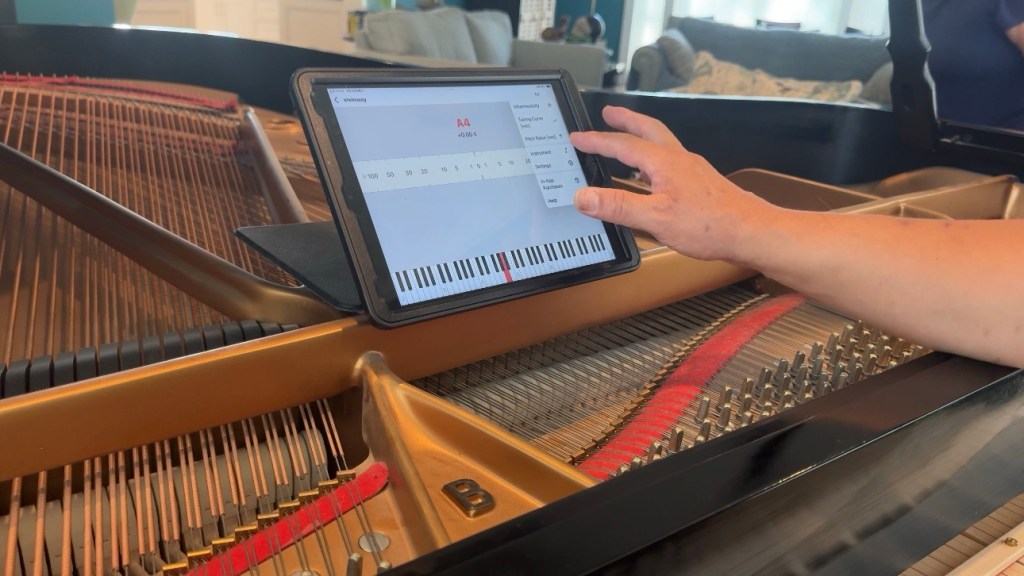
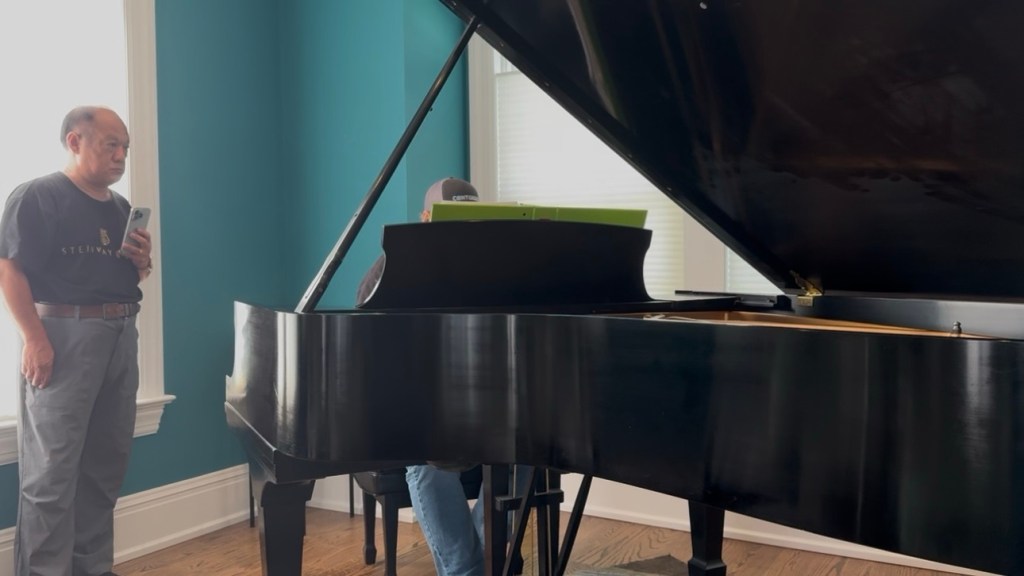
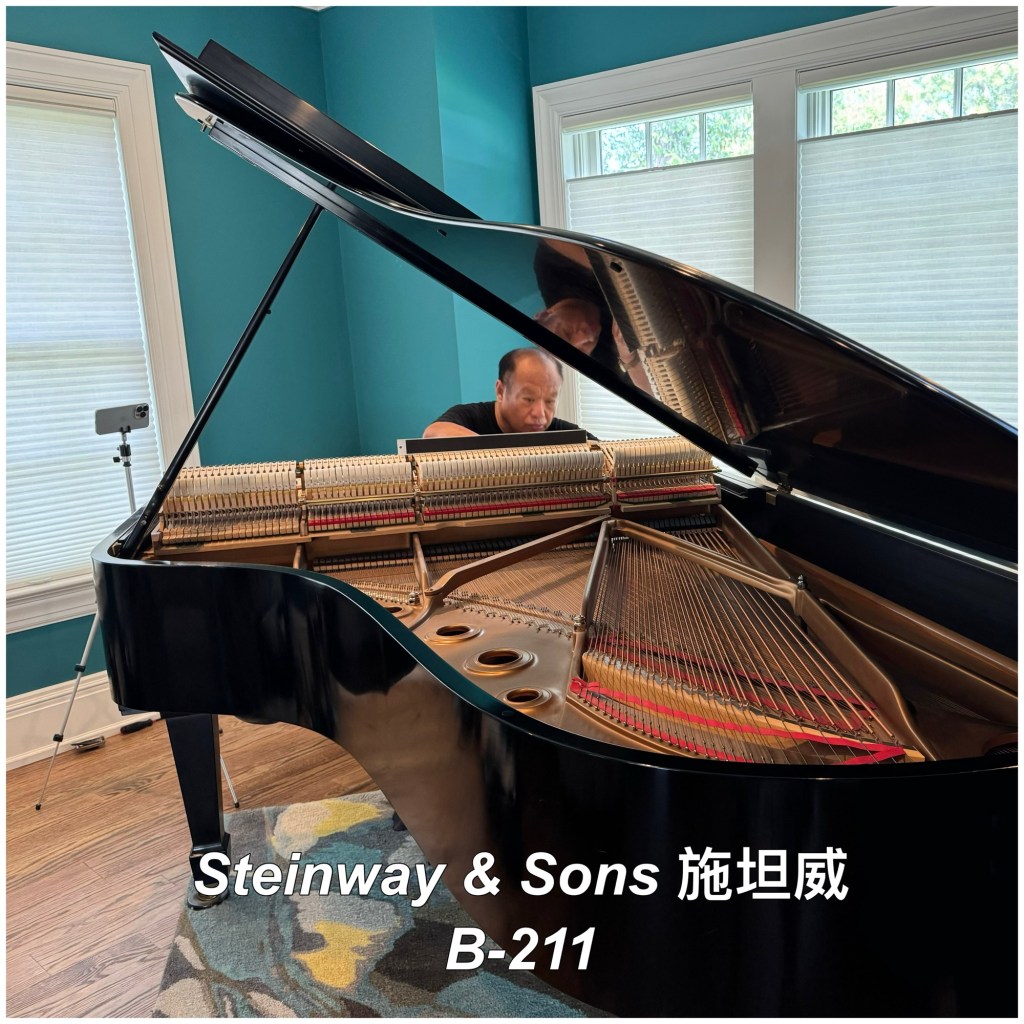
Time came one day in September 2024. On Long Island, New York, I came across a Steinway B and a brand-new hammer. The host spent about 9,000 dollars, but he complained that the tone did not have the expected effect and the noise did not match the brand, etc. After my inspection and evaluation, it was found that the rhythm needed to be adjusted to 442 Hz and the operation procedure for the hammer.
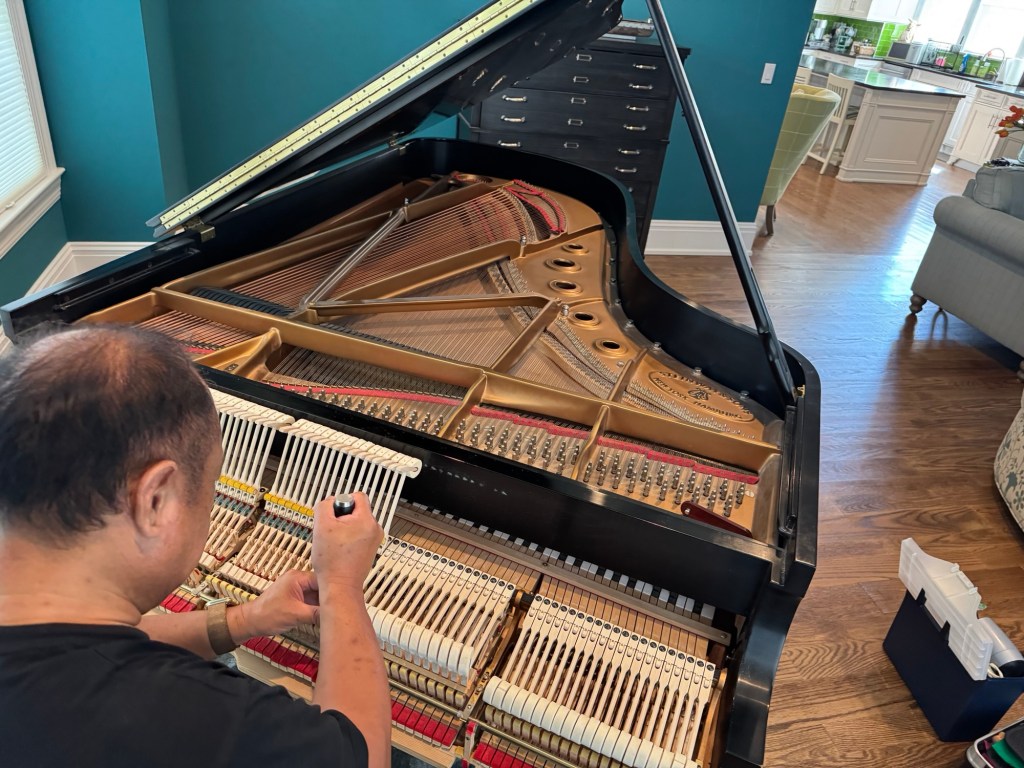
First of all, it is confirmed that the goal is to eliminate noise and noise while retaining energy. The maximum limit involves the needle position – deep needle, looking for the minimum number of needles – then the needle must be punctured at the strike point… Use the mute wedge and the strong test to determine which strings are noisy. Through many years of experience in tuning and tuning the Steinway piano in New York, I think there are many ways to make a new set of strings to meet the needs of the piano and customers. Too soft hammers use hardening measures; too hard hammers are punctured or other processing methods. I advocate the use of lateral needle punching, which is safe and reliable, and the number of lateral needle punchings is unlimited, will not damage the hammer and is completely reversible.
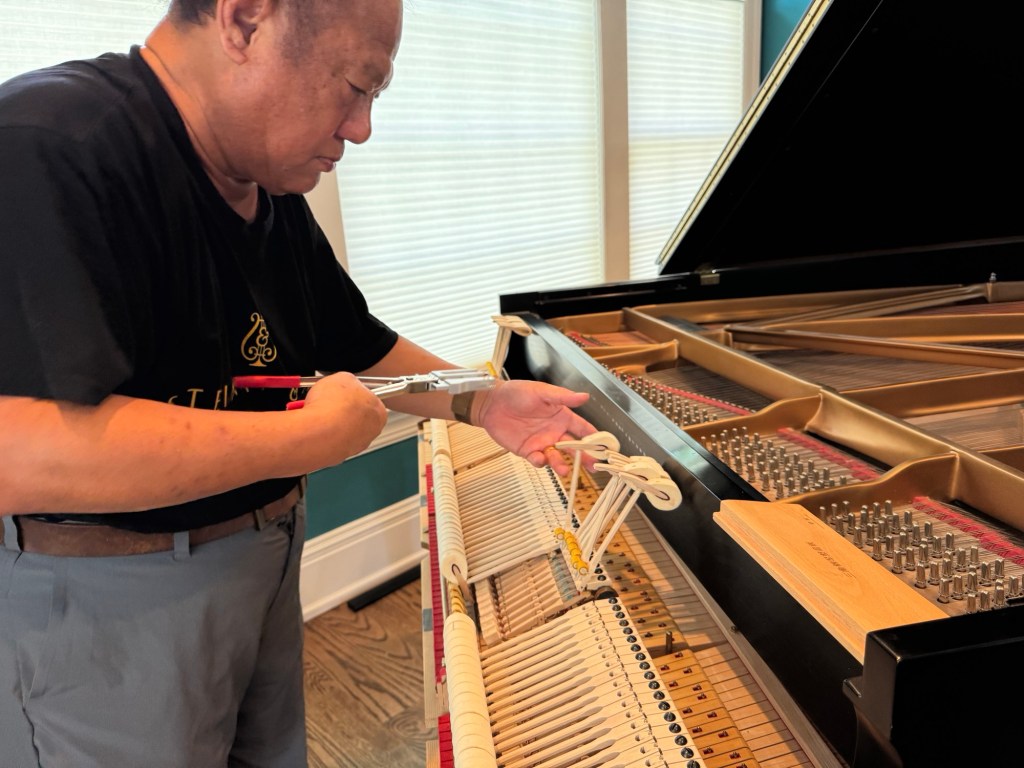
The reason why the method of lateral needle puncture is safe is that the wool felt is layered when making the hammer, and the needle punch only creates more “space” between the layers, which is the direction of the hammer contraction. Some manufacturers use hammers that are very soft and have no sound; while some hammers are very hard and wool felt is too dense, and they have to be stabbed hundreds of times to use (it is said that some people need to stab 1,500 times a sound). In order to make up for the mismatch between the manufacture and design of the hammer and the piano, the appropriate use of any process can achieve the ideal tone. My personal average whole time is 1/2 hour. My principle of tone correction is: “Do anything for the sake of tone”.
In New York in September 2024



Leave a Reply