
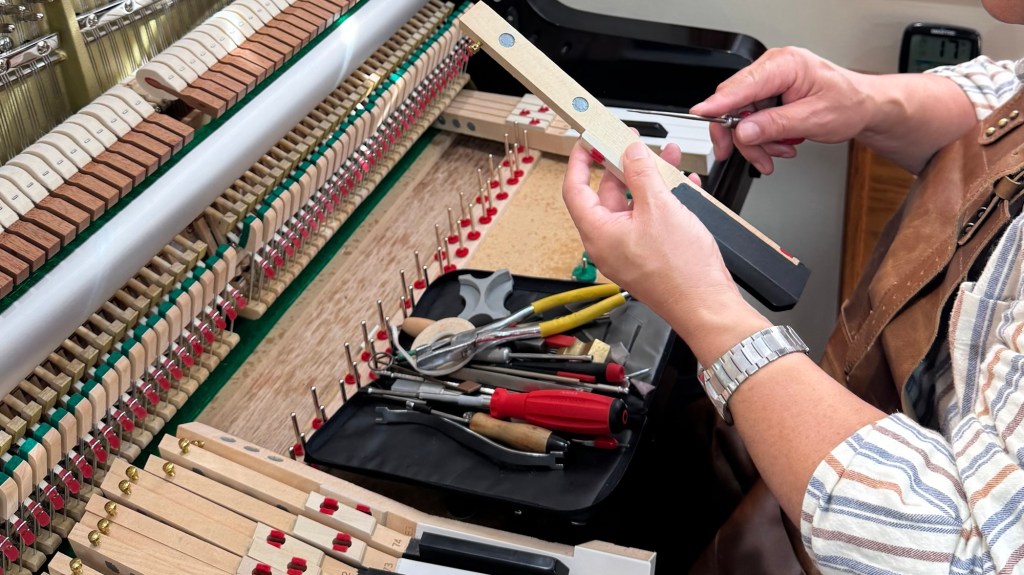
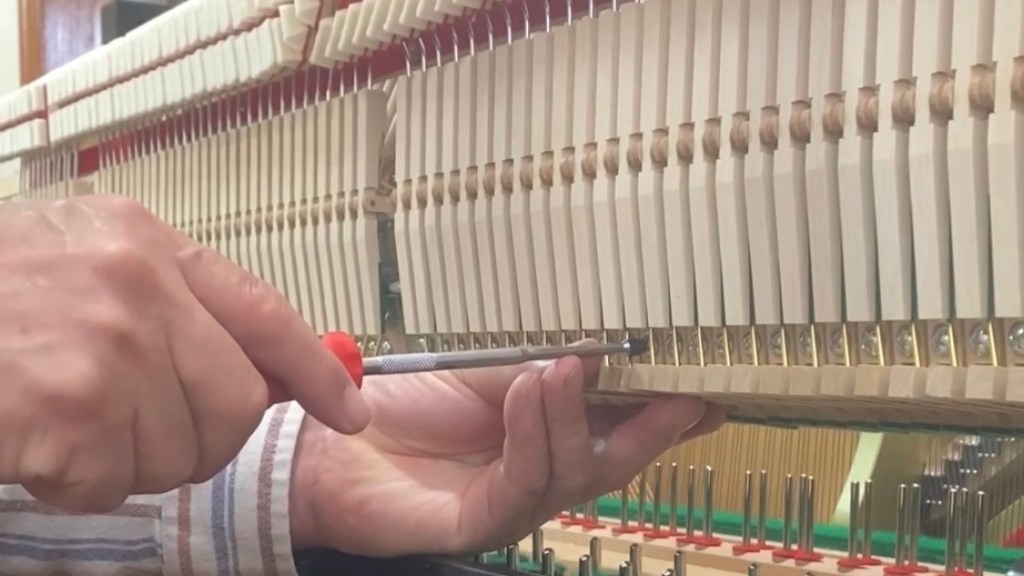
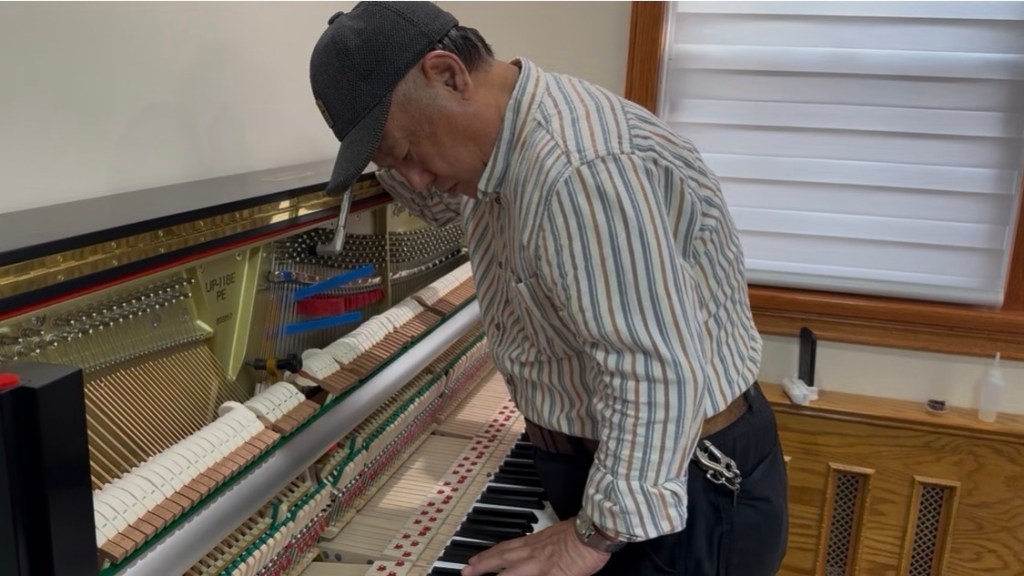
波士顿(Boston)立式钢琴的客户吐槽其键盘表现出的“困扰”通常源于其旨在模仿三角钢琴的高阻力设计,这在波士顿立式琴的使用过程中经常遇到。我针对这一困扰进行针对性调整与优化:
- 低应力设计: 这种设计能产生浑厚音色,但对击弦机的精确度要求极高。
- 材质特性: 轴衬(Bushing)呢毡对湿度敏感,易因膨胀导致转动不灵。
- 性能优化方案消除“虚位” (Lost Motion): 精准微调顶柱,确保手指下压瞬间即有动力反馈,解决“发空”感。
- 减小摩擦 (Friction Control):
- 对键盘销钉进行抛光。
- 使用特氟龙润滑处理顶杆与转击器接触面。
- 松动因受潮膨胀的呢毡轴衬。
- 行程校准 (Specs):
- 键深: 严格控制在 10mm-10.2mm,防止下沉过深导致疲劳。
- 断进: 调至 1.5mm-2mm 极限值,提升灵敏度与弱奏控制。
- 止音器延迟: 适当微调止音器开启时机,减轻按键中后段的负重感。完成调整后我已针对性地完成了深度润滑与行程优化。现在的状态既保留了波士顿的音色张力,又大幅提升了操控的灵敏度。
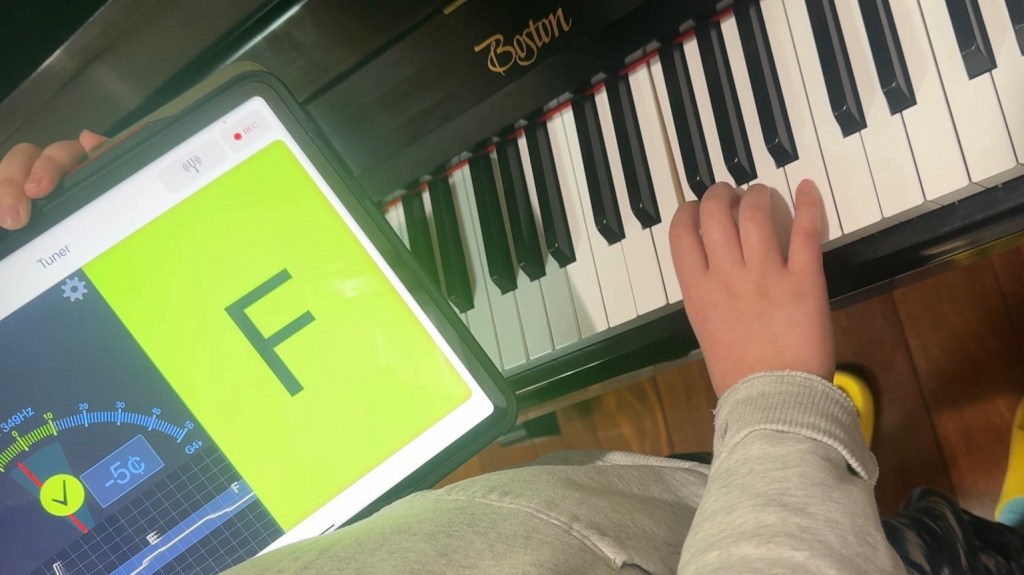
Boston Upright Piano Confusion and Adjustments
Customers of Boston upright pianos often complain about the “confusion” in their keyboards, stemming from their design aimed at mimicking the high resistance of grand pianos. This is a common issue encountered with Boston upright pianos. I addressed this concern with targeted adjustments and optimizations:
1. Low-Stress Design: This design produces a rich tone but demands extremely high precision from the action.
2. Material Characteristics: The felt bushings are sensitive to moisture and can easily expand, causing them to become stiff.
3. Performance Optimization to Eliminate “Lost Motion”: Precisely fine-tuning the top post ensures immediate feedback when the finger presses down, eliminating the “hollow” feeling.
4. Friction Control:
* Polishing the keyboard pins.
* Applying Teflon lubricant to the contact surfaces between the top post and the action.
* Loosening felt bushings that have expanded due to moisture.
5. Key Travel Calibration (Specs):
* Key Depth: Strictly controlled between 10mm and 10.2mm to prevent excessive key drop and fatigue.
* Key Break: Adjusted to the 1.5mm-2mm limit to improve sensitivity and soft-play control.
6. Hood Delay: Fine-tuned the damper opening timing to reduce the weight on the keys in the later stages. After adjustments, I specifically performed deep lubrication and travel optimization. The current setup retains Boston’s tonal tension while significantly improving responsiveness.
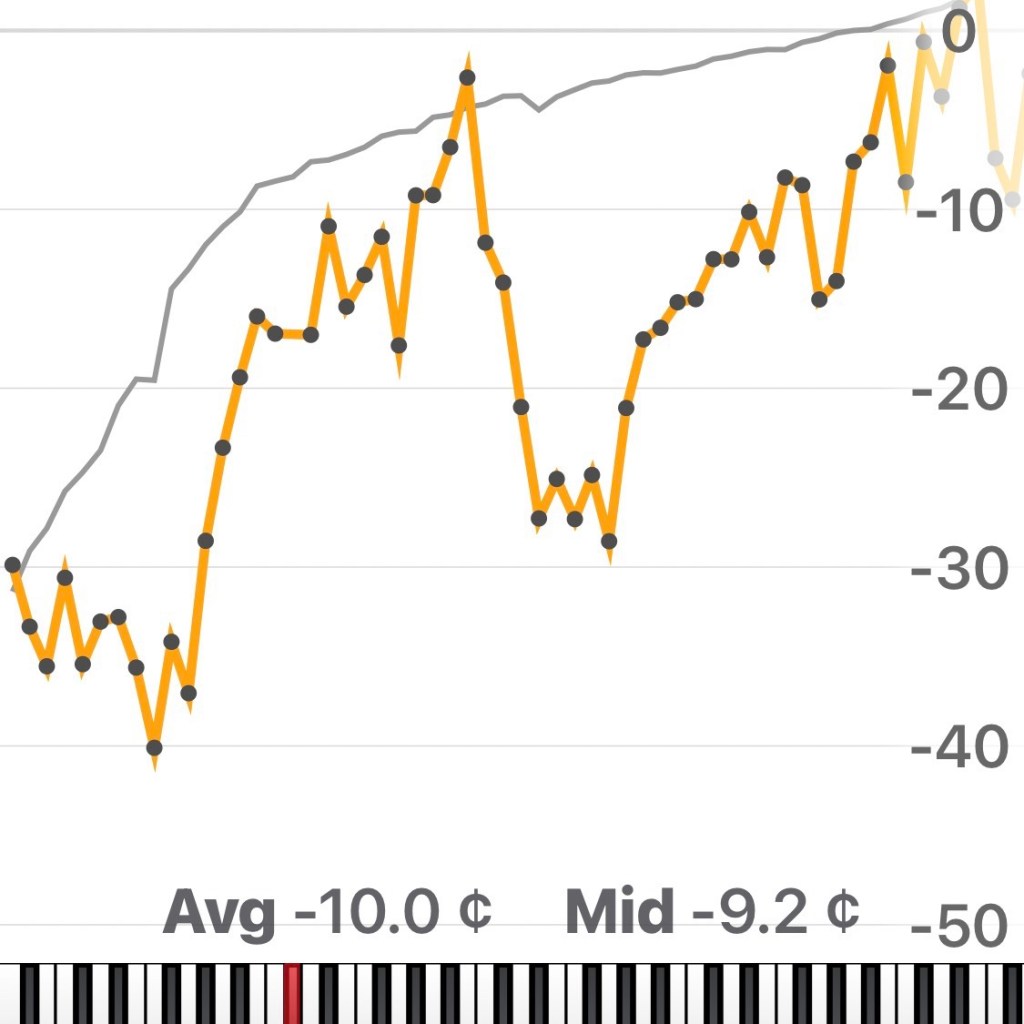

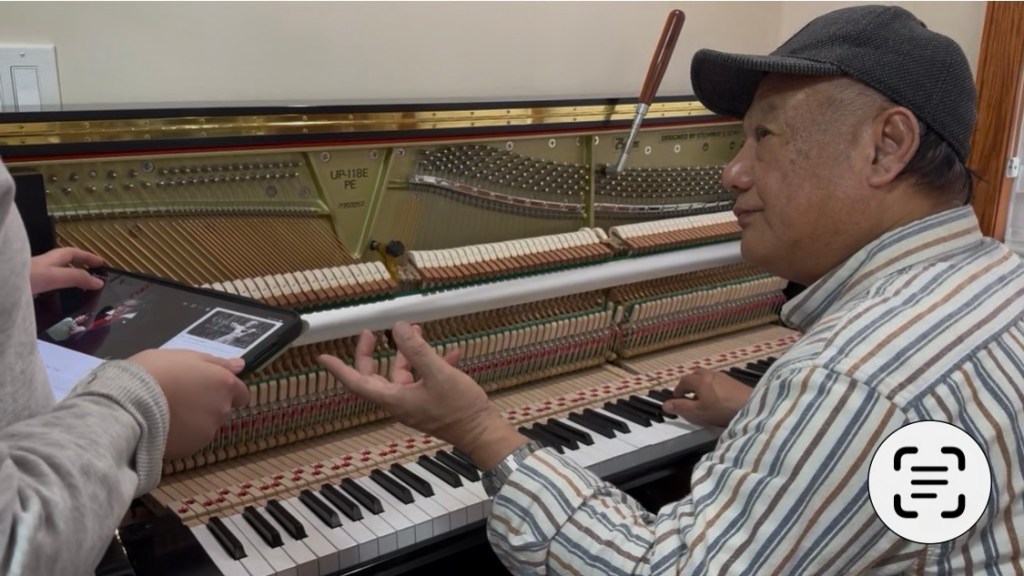
 New York Piano Tuner : I used ear tuning (also known as auditory tuning) and state-of-the-art software-based electronic tuning equipment for sound tuning. (The frequency for home concert tuning is 442 Hz.) 我采用耳调音法(也称听觉调音法)和最先进的基于软件的电子调音设备进行调音。(家用音乐会调音的频率为 442 Hz) Chen YN 调音主页
Leave a comment